Today’s buyers are thorough. They research, compare, and scrutinise long before they pick up the phone or fill in a contact form. In that research phase, generic promises carry very little weight. Case study content marketing exists precisely to bridge that gap, replacing hollow claims with documented evidence that prospects can evaluate for themselves.
Bournemouth University understood this when they moved away from institutional messaging toward real graduate stories, letting human experience do the persuading. According to HubSpot’s State of Marketing 2025, companies that regularly publish high-quality case studies generate 45% more qualified leads than those that do not [1]. This blog is about why that matters, and what it means for how you present your brand.
What Is a Marketing Case Study?
A marketing case study is a structured, evidence-based account of a real client relationship. It documents a specific challenge the client faced, the solution that was developed and delivered, and the measurable outcome that followed. That combination of real context and real results is what separates marketing case studies from a five-star Google review or a portfolio thumbnail.
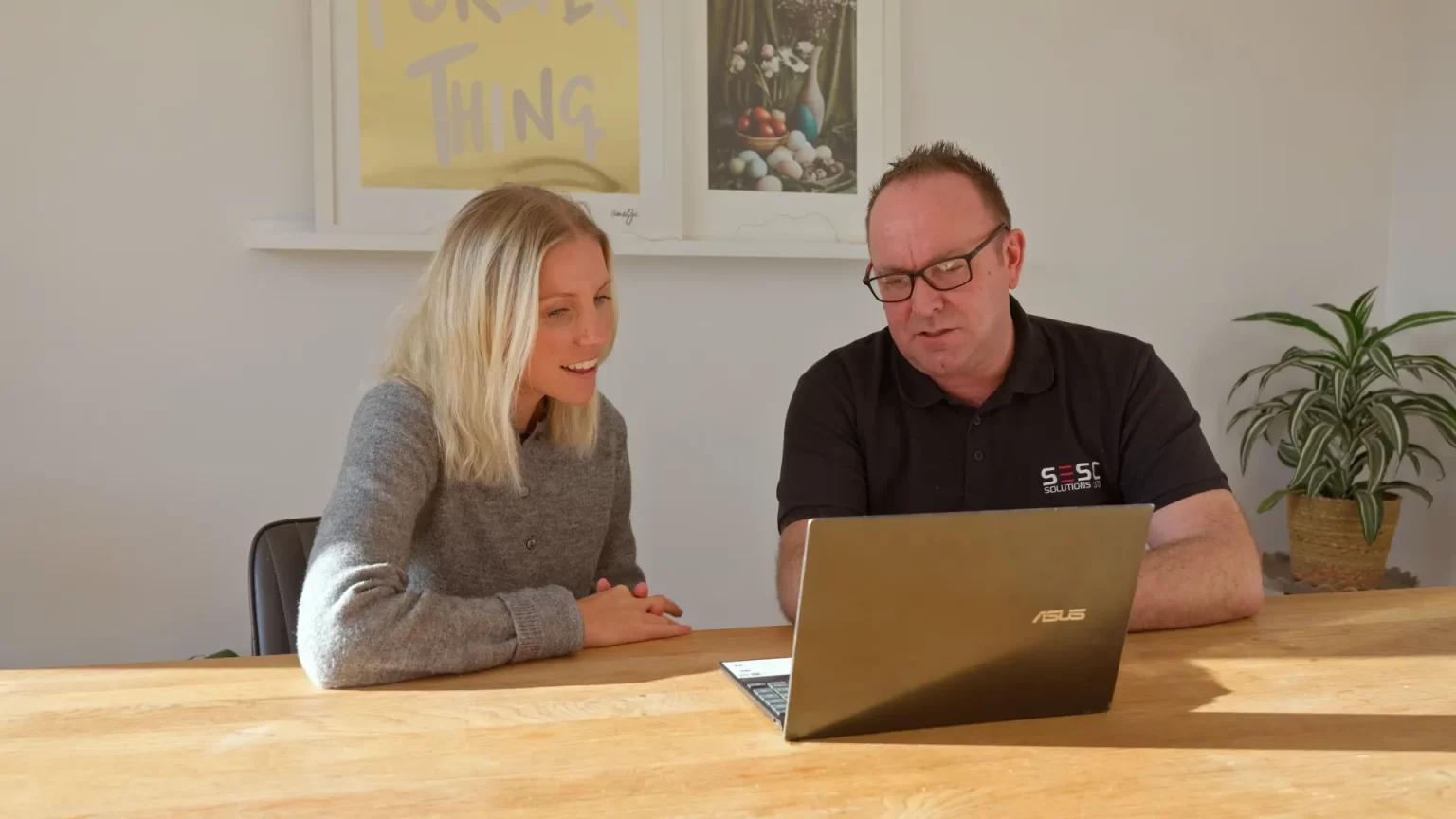
A testimonial tells you a client was happy. A case study tells you why, and how. It shows the thinking behind the work, the execution, and the impact. Our SESC Solutions case study demonstrates this approach clearly. Rather than a headline and a quote, it walks through a defined technical challenge and the professional process used to address it. That depth of detail is what turns client success stories into genuine proof, and proof into trust.

Why Trust Matters in Marketing Decisions
Purchasing decisions, particularly in B2B environments, are rarely straightforward or fast. They involve multiple stakeholders, extended timescales, careful budget scrutiny, and a very real fear of choosing the wrong supplier. For SMEs and facility managers, the stakes feel even higher because a poor investment is difficult to absorb and harder to justify internally.
In this climate, social proof in marketing is no longer a nice-to-have. It is a prerequisite. Buyers need trust signals before they commit, and those signals have to be substantive. Take the Targa 41 case study we produced for Wessex Marina as an example. This illustrates this point well because high-value marine assets involve exactly the kind of lengthy deliberation and financial risk that demands reassurance. Seeing the vessel captured in real-world rally conditions, within an authentic community of owners, gives prospective buyers the confidence that a brochure alone cannot provide.
B2B case studies serve this same function across every sector. A 2024 consumer trust study found that 71% of U.S. consumers and 66% of UK consumers would choose a brand they trust, even at a higher price point [2].
How Case Study Content Marketing Builds Credibility
There is a meaningful difference between telling a prospect what you are capable of and showing them. Case study content marketing does the latter, and that distinction matters enormously when buyers are weighing up their options.
A well-constructed case study demonstrates capability rather than asserting it. It reveals process, creative thinking, and execution in context, giving the reader a clear picture of what working with you actually looks like. Crucially, it also reduces perceived risk by answering the question most prospects are quietly asking: “Has this worked for someone in a situation like mine?”
Our Terramar T8 case study for Cobra RIBs is a strong example of evidence-led marketing in practice. By capturing the vessel’s performance in live water conditions, the content gives prospective buyers a direct window into the product’s capabilities, removing uncertainty for anyone who cannot attend a demonstration in person. That is proof of results, not promises, which is handy considering that, according to a 2025 survey of B2B decision makers, 73% said case studies significantly influence the purchasing process [3].


The Role of Case Studies in the Buyer Journey
Case studies are not single-use content. They earn their place at multiple touchpoints throughout the buyer journey, and understanding where they fit helps you deploy them with far greater effect.
On website service pages, they sit alongside your offer as supporting evidence. In sales conversations, they give your team something concrete to reference when a prospect raises doubts. In proposals and pitches, they demonstrate that your approach is tried and tested rather than theoretical. Across social media and email marketing, they create the kind of social proof in marketing that builds an audience’s confidence over time, before any direct conversation even begins.
You want to capture the atmosphere and energy in a way that promotional copy simply cannot replicate, much like what we did with our Lashings World XI vs Wimborne Cricket Club case study. That content becomes a trust signal for future event organisers and hospitality buyers, showing them, in vivid detail, what the experience genuinely looks like. Marketing case studies used at the right moment in the right channel consistently support confident decision-making.
Why Case Studies Matter for Golf Courses and Sports Facilities
For golf clubs, leisure facilities, and sports venues, the decision to invest in professional content is rarely taken lightly. Committees need reassurance, budgets are scrutinised, and the question most often asked is: “Has this delivered results for a venue like ours?”
Case study content marketing answers that question directly. Our work with Tee Screen UK and GolfPod shows how visual content, when executed with precision, supports product visibility, drives engagement, and strengthens brand presence in a competitive market. For sports and leisure facilities, our David Lloyd Padel Court Launch case study demonstrates the marketing performance results that are possible when a new facility or programme is launched with compelling, professional content behind it.
These are B2B case studies built around real venues, real audiences, and real outcomes. For facility managers and club owners, that peer-level evidence provides the stakeholder reassurance that generic agency portfolios rarely offer. Client success stories from comparable environments carry far more weight than a pitch deck full of claims.


What Makes a Case Study Effective?
Quality matters here, but credibility matters more. A polished case study with vague outcomes is far less persuasive than a straightforward account with specific, honest results. The most effective examples share a consistent set of characteristics:
- Clear Objectives: The goal of the project is defined from the outset.
- A Defined Challenge: The specific problem or gap the client faced is articulated plainly.
- Measurable Outcomes: Results are expressed concretely, not in generalities.
- Honest Context: The environment, constraints, and conditions are presented accurately.
- Strong Visuals or Supporting Data: The work is evidenced, not just described.
- A Clear Narrative Structure: The reader can follow the journey from brief to result.
These principles are reflected well in the case study we produced for SDW Bespoke. The visual quality of the content is integral to the proof itself because the brand’s proposition is built on craftsmanship and precision. When strong visuals align with honest context, the result is social proof in marketing that feels authoritative rather than promotional. That combination is what separates genuine proof of results from content that simply looks good.
Case Studies as Long-Term Marketing Assets
One of the most underused qualities of a good case study is its longevity. Businesses that treat case studies as one-off content are leaving significant value on the table.
A single well-produced case study can be repurposed and redistributed across multiple channels and timelines:
- Website Content: Anchor it to relevant service pages as supporting evidence.
- Sales Enablement: Equip your team with tangible examples for client conversations.
- Paid Campaigns: Use compelling stills or clips as creative for targeted ads.
- Social Proof: Share highlights across social channels to build credibility over time.
- Email Nurturing: Introduce prospects to relevant examples at key points in the funnel.
Sharkey’s understood this as you can see from the case study we produced for them. The photography and video captured of the venue produced high-energy, versatile assets that could be adapted for social advertising, website headers, and email campaigns long after the shoot itself. That is the kind of case study content marketing that compounds in value over time.
As 2025 B2B content research confirms, detailed client success stories are significantly more likely to convince buyers than generic testimonials, making them among the highest-ROI assets in any marketing toolkit [4].

Proof Builds Confidence: Show the Work Behind Your Brand
Claims are easy. Proof takes commitment. If your current marketing relies on assertions rather than evidence, it may be worth asking whether your content is genuinely doing the persuasive work you need it to do.
Case study content marketing reduces uncertainty, supports trust-led decisions, and strengthens your proposition without exaggeration. With over 20 years of combined experience and a track record across multiple sectors, Bold Media Agency creates bespoke visual content that tells the full story: the challenge, the process, and the outcome.
If you are ready to build a body of evidence that works as hard as you do, get in touch with the team on 01202 028178 or complete our contact form to request a callback.
References
[1] Fryer HQ, “According to HubSpot’s State of Marketing 2025, companies that regularly publish high-quality case studies generate 45% more qualified leads than those that do not”: https://www.fryerhq.co.nz/post/case-study-statistics-2025
[2] Forsta, “A 2024 consumer trust study found that 71% of U.S. consumers and 66% of UK consumers would choose a brand they trust, even at a higher price point”: https://www.forsta.com/resources/white-papers/2025-state-of-cx-report/
[3] Goodman Lantern, “…according to a 2025 survey of B2B decision makers, 73% said case studies significantly influence the purchasing process”: https://goodmanlantern.com/blog/how-b2b-case-studies-build-trust-and-drive-sales/
[4] Trustmary, “As 2025 B2B content research confirms, detailed client success stories are significantly more likely to convince buyers than generic testimonials, making them among the highest-ROI assets in any marketing toolkit”: https://trustmary.com/social-proof/how-trust-elements-impact-b2b-buying-decisions/