Video has never moved faster. The technology is evolving, audience expectations are shifting, and the gap between brands that invest in professional visual content and those that don’t is getting harder to ignore.
The videography trends shaping 2026 reflect something bigger than new kit or new platforms. They reflect a fundamental change in how businesses communicate, and what it now takes to cut through. So, with that in mind, here’s what you need to be on the lookout for if you want to stay ahead of the pack.
Drone Videography Becomes a Standard, Not a Luxury
There was a time when aerial footage was a production luxury, reserved for big budgets and broadcast commissions. That time has passed. Drone videography is now a practical tool across property marketing, events, brand content, and commercial campaigns of all sizes.
What’s changed is not just the accessibility of the hardware. It’s the sophistication of what operators can now achieve with it. FPV drone technology, which places the viewer inside a continuous, flowing flythrough of a space or landscape, is becoming one of the most sought-after techniques in commercial production.
The result is immersive aerial filming that holds attention in a way static wide shots simply cannot. For businesses commissioning video content in 2026, drone capability is no longer a nice addition. It’s an expectation.

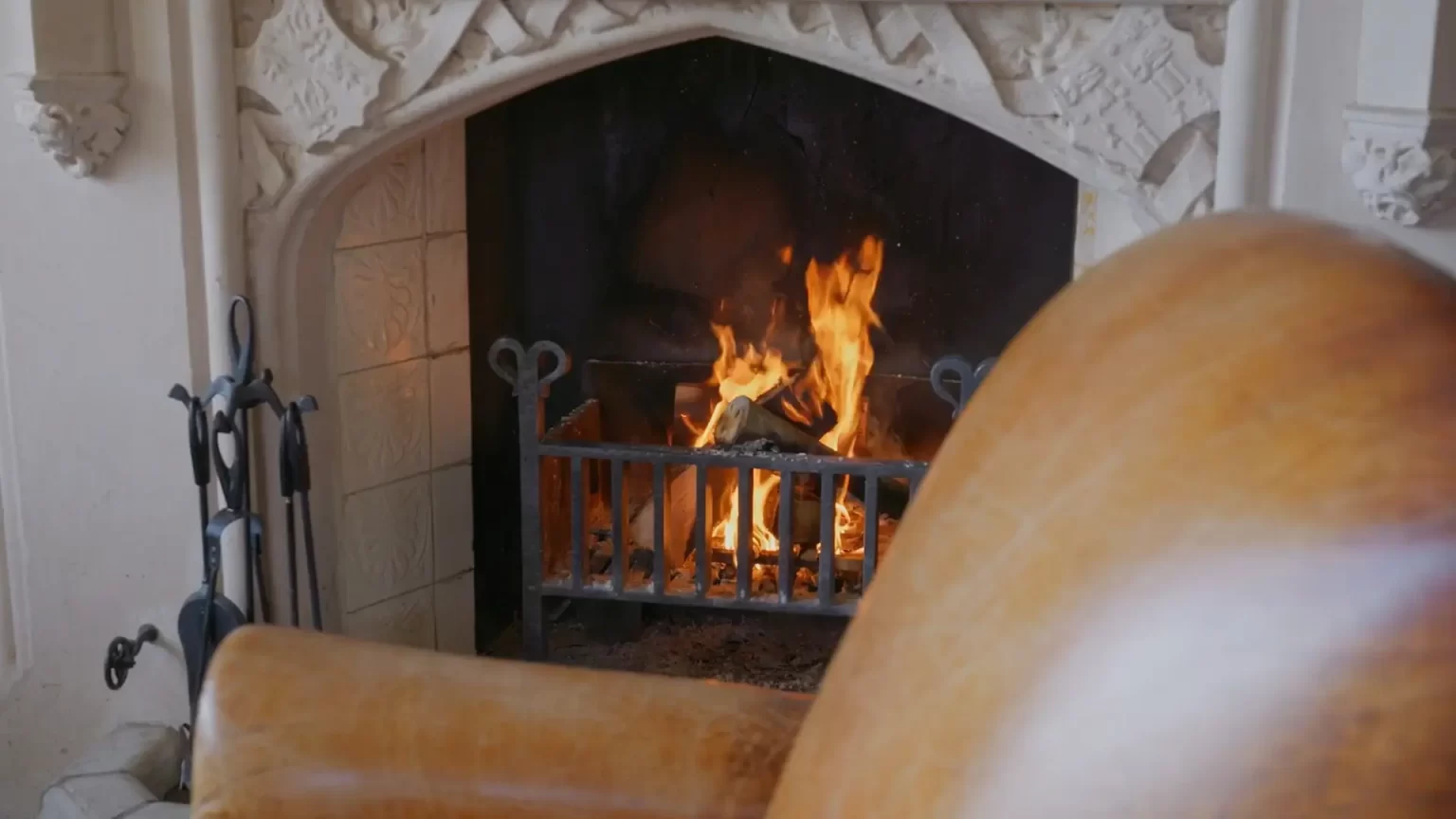
AI-Powered Video Production Speeds Everything Up
Artificial intelligence is reshaping production workflows at every stage, and the impact on professional videography is significant. The change is not about replacing creative judgment. It’s about removing the friction that slows good ideas down.
Videography trends around AI cluster around a few core capabilities:
- Automated colour grading that applies consistent visual treatment across footage at a fraction of the time.
- AI-assisted editing tools that identify the strongest moments in a long shoot and build a first cut for review.
- Automated caption generation and translation, expanding reach without adding production days.
- Shot selection support that analyses footage against a brief and flags the most commercially effective options.
The creative decisions still belong to the people behind the camera. What AI changes is how quickly those decisions move from shoot to screen.
Authentic, Story-Driven Content Outperforms Polished Ads
One of the more counterintuitive videography trends of recent years is this: the more production technology improves, the more audiences respond to content that feels real. Hyper-polished corporate video, with its motion graphics and voiceover narration, is losing ground to documentary-style filming, behind-the-scenes access, and formats that put genuine people at the centre of the story.
This matters commercially because trust drives conversion. A brand that shows how it actually operates, how its team thinks, and what its clients experience, builds a more durable relationship with its audience than one that simply presents a curated version of itself. Authentic content requires skill to produce well. The craft is in making something feel uncontrived, which takes as much technical control as any other format.
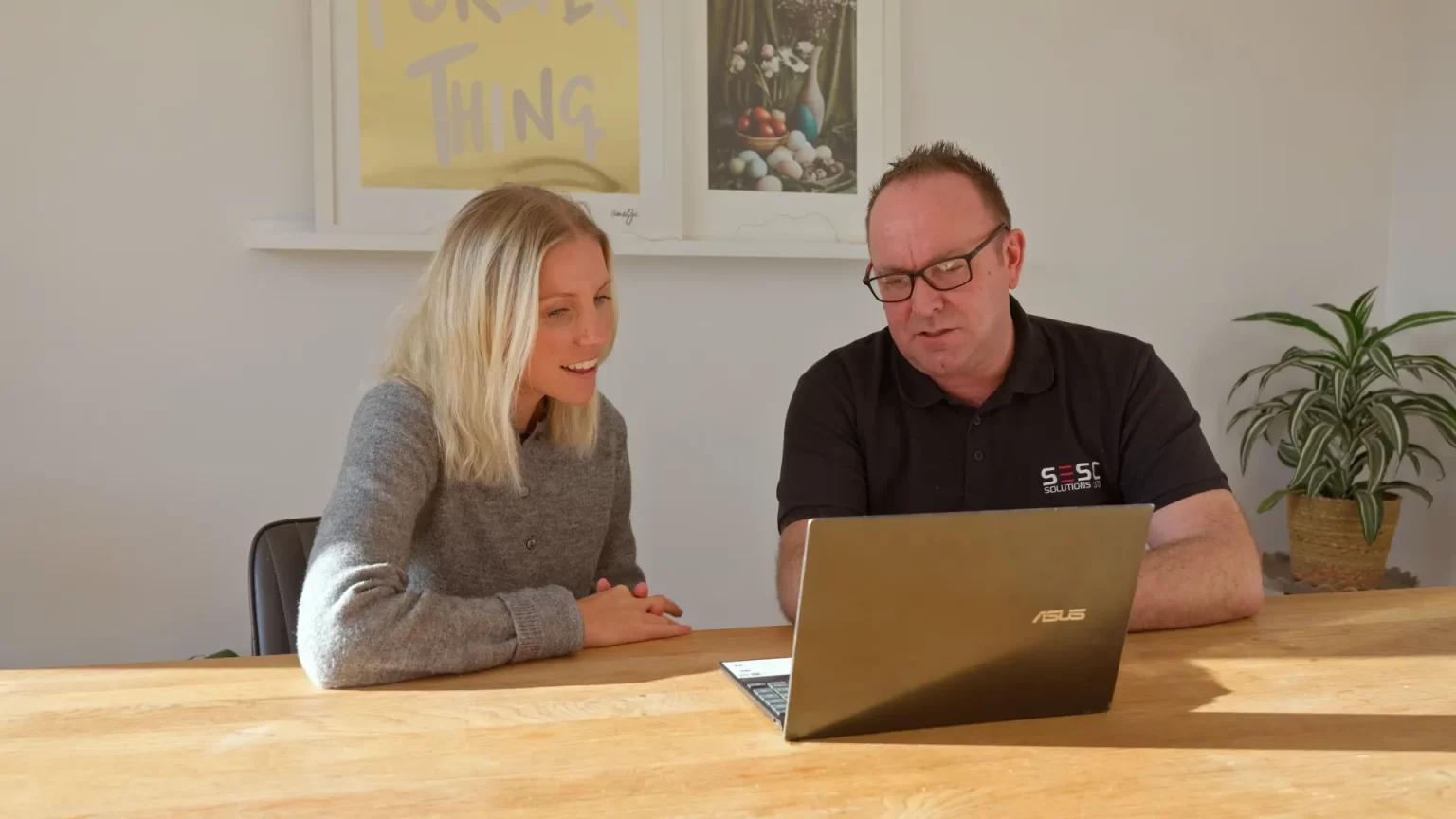

Short-Form Video Continues to Dominate Attention
The statistics on short-form consumption are consistent enough now that the question is no longer whether it works. The question is how to make it work harder. Platforms built around short-form content reward videos that establish their value in the first three seconds, use mobile-first framing, and move quickly enough to hold a viewer who has other options one swipe away.
What this means in practice is that a single shoot can and should produce content at multiple lengths, with the short-form outputs planned at the brief stage rather than cut down from long-form as an afterthought. FPV drone sequences, for example, translate exceptionally well into short-form content: a six-second aerial filming clip through a property or venue carries more impact in a feed than a thirty-second wide shot. The edit is different, but the raw material is the same.
Ultra-High Definition (4K & 8K) Becomes the Benchmark
Resolution is no longer a differentiator. It’s a baseline. 4K is the current standard for commercial video production, with 8K emerging as the format for content that needs to remain useful and credible over a longer shelf life. The argument for shooting in the highest resolution available is straightforward: it future-proofs the content. Footage shot in 4K or 8K today can be repurposed, recut, and redistributed as display technology improves, without returning to location for a reshoot.
For cinematic drone shots in particular, resolution matters in ways that are immediately visible. Aerial footage shown on a large display or used in a presentation environment needs to hold quality at scale. Professional videography in 2026 means shooting to a standard that serves the content not just today, but in two or three years’ time.

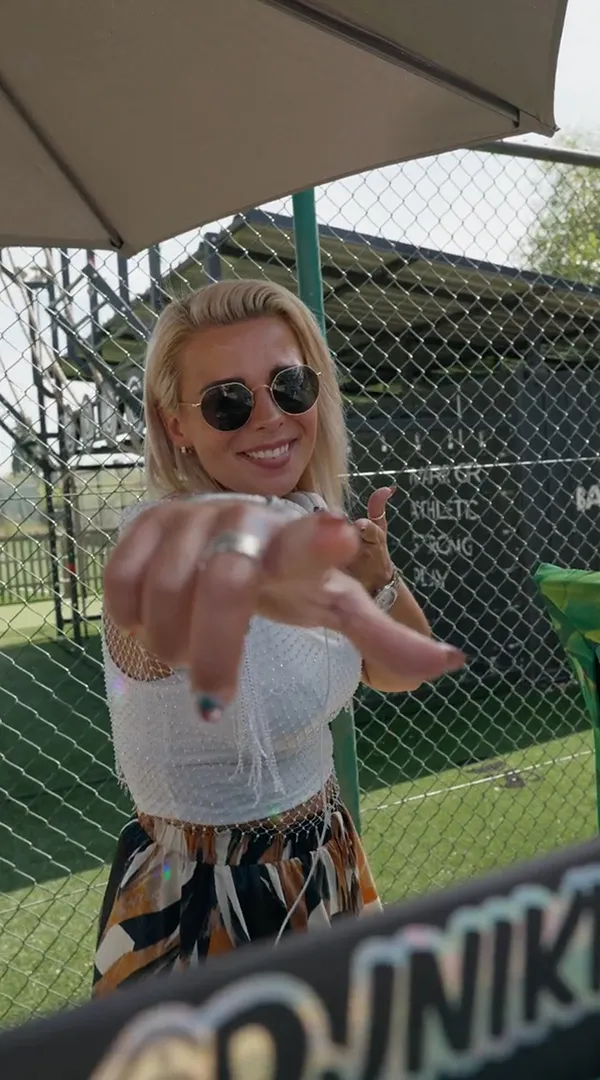
Personalised Video Content for Different Audiences
It goes without saying, but a single piece of video content serving every audience, every platform, and every stage of a customer journey is an increasingly outdated model. Businesses are now approaching shoots with a distribution strategy built in from the start, planning for multiple outputs rather than a single deliverable.
The shift towards personalised video content reflects better understanding of how different audiences consume differently, and what persuades them.
From one well-planned shoot, a brand might produce:
- A long-form brand film for the website and pitch presentations.
- A series of thirty-second edits tailored for paid social campaigns.
- Short, punchy clips optimised for Stories and Reels.
- A version with captions and no audio for silent autoplay environments.
- Sector-specific edits that speak directly to different client types.
This is one of the more commercially significant videography trends of the moment because the return on investment from a single production day increases substantially when the outputs are planned with purpose.
Hybrid and Live Video Production Gains Momentum
Next, it’s worth noting that the separation between recorded content and live broadcast is narrowing. Businesses are increasingly running hybrid productions, which are events that serve both a physical audience and a simultaneous digital one, with production quality that matches what either group would expect from a standalone piece of content.
This requires a different approach to the shoot itself. FPV drone coverage of a live event, for example, needs to be planned and executed in real time rather than reviewed and reshot. The integration of drone videography into live and hybrid production demands operators who understand both the technical requirements of live output and the creative discipline to get the shot first time.
As hybrid formats become more common, the production infrastructure supporting them is becoming more capable and more accessible.


Regulatory Changes Impact Drone Videography
As drone use grows across commercial sectors, the regulatory environment around it continues to develop. In the UK, updated frameworks around operator identification, airspace classification, and drone registration are placing greater responsibility on businesses to ensure that the operators they work with are properly licensed and compliant.
This is not a bureaucratic inconvenience, rather it’s a commercially meaningful distinction. Working with a fully CAA-certified operator protects a business from the legal and reputational risk of non-compliant aerial filming, and it guarantees that the footage captured can be used without restriction.
As regulations tighten, the importance of choosing a trusted and qualified videography partner, rather than the cheapest available option, becomes a more significant factor in every commissioning decision.
The Direction of Travel Is Clear
To summarise, the videography trends shaping 2026 point in a consistent direction: greater technical capability, deployed with more strategic intent, to reach audiences who are harder to impress and quicker to move on. Businesses that treat video as a box to tick will find the gap between their content and their competitors’ widening. Those that invest in production that is planned, purposeful, and technically excellent will find it one of the most effective tools available to them.
At Bold Media Agency, we work with businesses across property, marine, golf, fitness, health and beauty, and other SME sectors to produce video content that is built around what they need to achieve, not just what looks good on a showreel. If you’d like to discuss your next project, call us on 01202 028178 or complete our contact form to request a callback.