Booking a drone shoot sounds simple enough. Find an operator, agree a date, and get the footage. In practice, there is a legal framework sitting behind every commercial flight in this country, and it exists for good reason. Understanding UK drone regulations before you book protects your business from delays, invalidated footage, and the kind of compliance headaches nobody wants mid-project.
This guide walks through what the rules mean for you as a client, not just for the person flying the aircraft, so you know exactly what to ask and what to expect before your shoot day arrives.
Understanding UK Drone Law for Commercial Content
The Civil Aviation Authority (CAA) governs all commercial drone activity in the UK, and its rules cover everything from pilot qualifications to where an aircraft can legally take off. For businesses commissioning aerial content, UK drone regulations are not a background detail. They determine whether footage can be captured at all in a given location, and whether the operator you have hired is legally entitled to fly there.
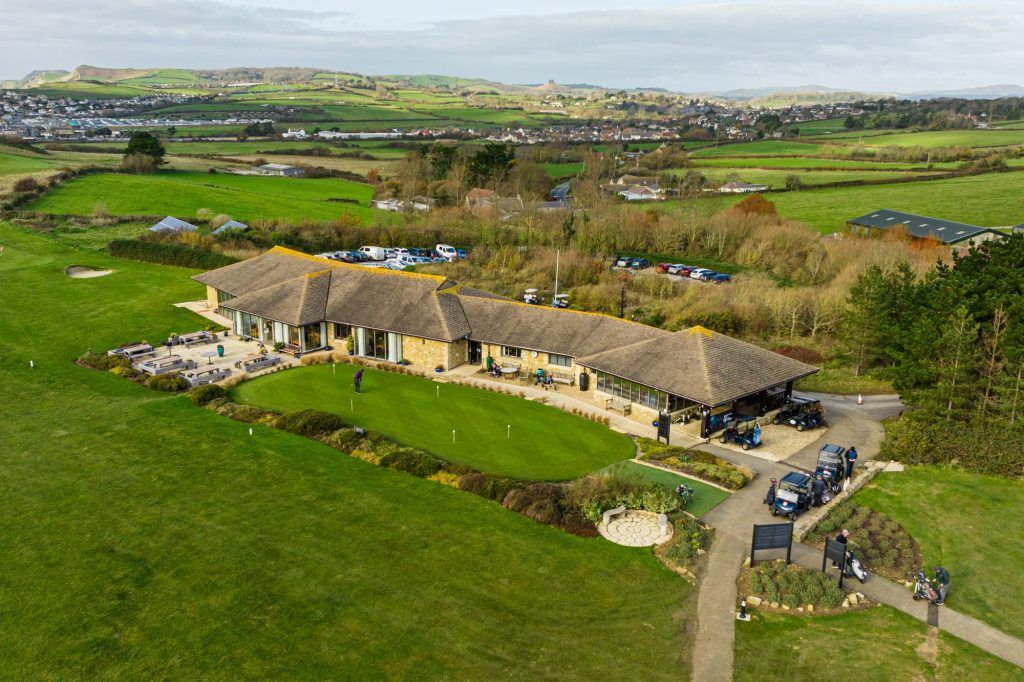
A CAA drone licence is the starting point for any compliant commercial operation, confirming that the pilot has passed the required theory and practical assessments. Bold Media’s team holds full CAA certification, which is why our clients across Dorset’s property, marine, and golf sectors regularly turn to drone photography to elevate their marketing.
Knowing this framework exists is the first step. Knowing how to check it is the next.
What Is a CAA Drone Licence and Why It Matters
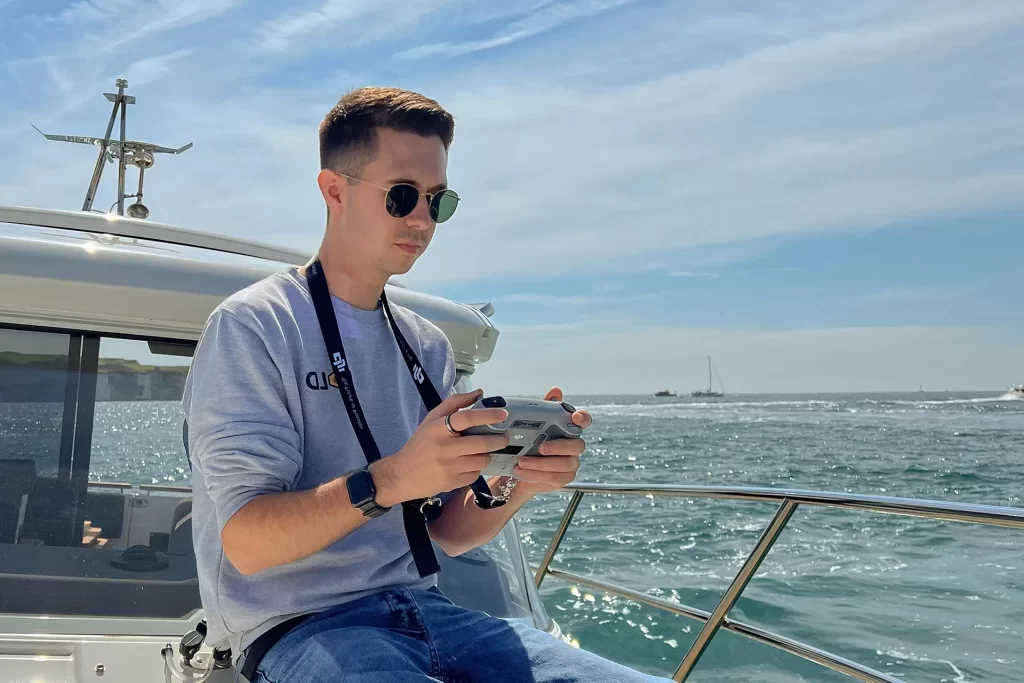
A CAA drone licence is not a single, generic certificate. It is proof that a pilot has completed a recognised training pathway and demonstrated competence to operate commercially, rather than simply owning a drone and switching it on. The most widely recognised qualification within this framework is the GVC drone qualification, the General VLOS Certificate, which permits visual line of sight flying for commercial operations across a broad range of environments.
Earning it involves theory exams covering airspace, weather, and emergency procedures, plus a practical flight assessment. When you commission aerial content, asking to see this qualification is a fair and sensible question, not an awkward one. Any operator confident in their compliance will produce it without hesitation, because it is the foundation their entire legal right to fly commercially rests on.
Operational Authorisation Explained
Holding a pilot qualification is only part of the picture. Operators also need a drone Operational Authorisation issued by the CAA, which sets out precisely what that operator is permitted to do: which drone categories they can fly, in what conditions, and under what risk parameters. This authorisation is reviewed and renewed periodically, meaning it reflects a pilot’s current standing rather than a one-off achievement from years ago.
For businesses, this matters because UK drone regulations tie authorisation directly to accountability. If something goes wrong on a shoot involving an unauthorised operator, the liability and disruption fall on your project, not just the pilot. Checking that Operational Authorisation is current and appropriate for your specific shoot location is a straightforward step that protects your timeline and your budget alike.

Drone No-Fly Zones and Restricted Airspace
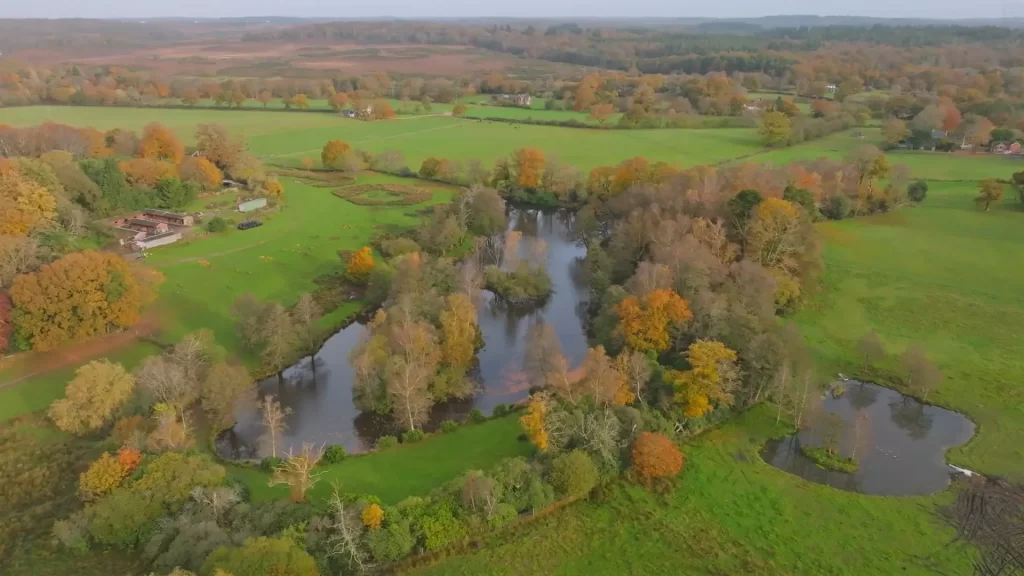
Even a fully licensed operator cannot fly wherever they choose. Certain locations carry legal restrictions that override any qualification, and recognising these in advance saves considerable frustration once a shoot date is booked.
Common categories of drone no-fly zones and restricted areas include:
- Airports and Airfields: Controlled airspace typically extends several kilometres around active runways, requiring specific permissions to enter.
- Military and Government Sites: These carry blanket restrictions regardless of an operator’s certification level.
- Prisons and High-Security Buildings: Flying near these locations is prohibited to prevent surveillance or smuggling risks.
- Densely Populated Areas: Additional drone permissions are often required to fly directly over crowds or built-up residential zones.
Location vetting should happen before a shoot is confirmed, not on the day itself. A professional operator checks this as standard, factoring UK drone regulations into the planning stage rather than discovering a restriction once equipment is already on site.
BVLOS Rules and What They Mean for Your Shoot
Most commercial drone work in the UK operates under visual line of sight, meaning the pilot must be able to see the aircraft directly throughout the flight. BVLOS, or Beyond Visual Line of Sight, refers to flights that extend past this boundary, typically for large-scale coastal surveys, extensive estate coverage, or long-distance infrastructure shoots. These flights sit under a stricter tier of drone Operational Authorisation, requiring additional risk assessment and, in many cases, air traffic coordination.
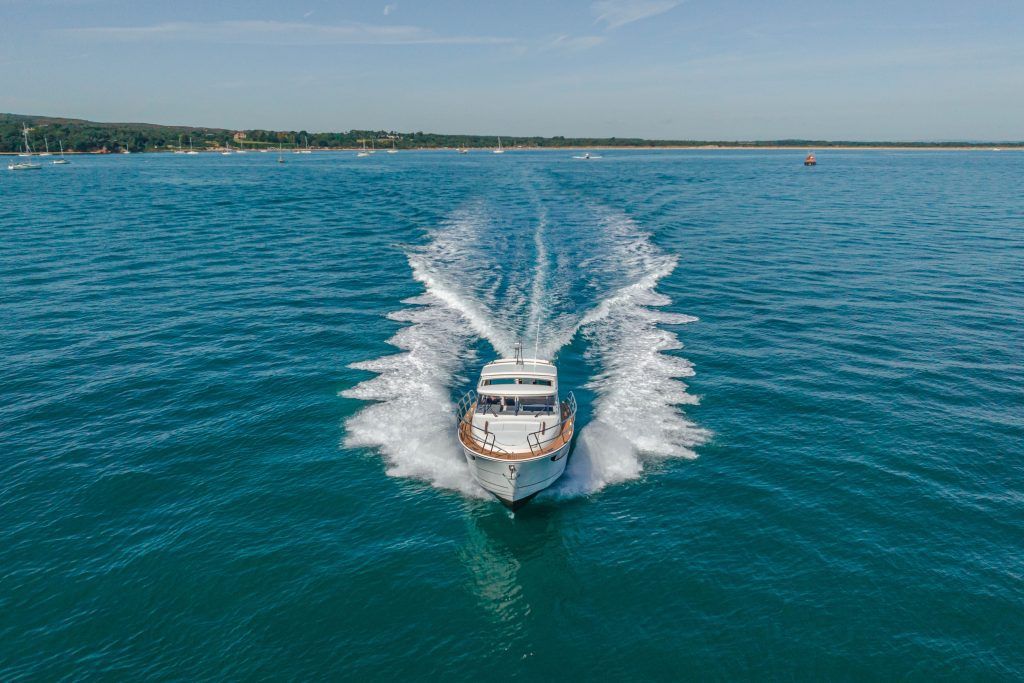
Few operators hold BVLOS approval, since it demands a higher level of the GVC drone qualification pathway alongside proven operational experience. If your project genuinely calls for BVLOS work, perhaps capturing an expansive marina or a coastline stretch beyond typical visual range, confirm this specific approval exists before booking. It also connects directly back to drone no-fly zones, since BVLOS flights often cross multiple airspace boundaries within a single mission.
How to Vet a Drone Operator Before You Book
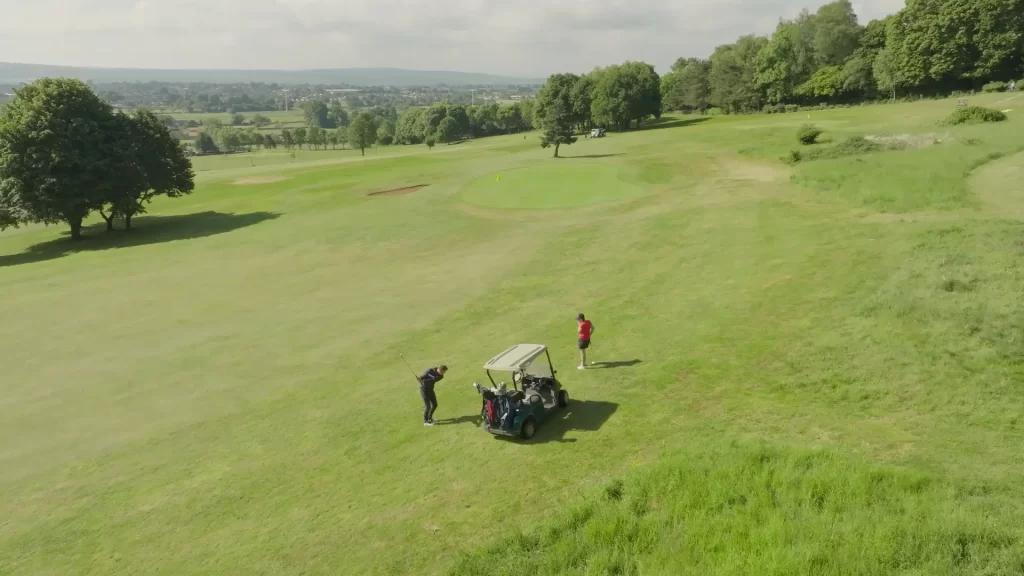
With the regulatory landscape in mind, vetting an operator becomes a practical checklist rather than a guessing game. Before confirming any booking, it is worth working through what a drone shoot actually involves alongside these core checks:
- Confirm CAA Registration: Ask for the operator’s CAA registration number and cross-check it directly with the authority if needed.
- Request Proof of Commercial Drone Operator Certification: A genuine operator will share this without pushback or delay.
- Ask About Insurance: Public liability cover specific to drone operations should be current and adequate for your location.
- Clarify Site-Specific Permissions: Confirm the operator has checked drone permissions for your exact filming location in advance.
- Discuss Safe Drone Filming Practices: A professional pilot will explain contingency plans for weather, airspace changes, or unexpected obstructions.
These questions take minutes to ask and can save days of delay, so treat them as a standard part of your booking process rather than an optional extra.
Fly Legal, Film Bold
Compliant drone content protects your business as much as it elevates your brand. Staying on the right side of UK drone regulations is not a box-ticking exercise, it is what keeps your project on schedule and your footage usable. Bold Media’s fully CAA-certified pilots bring both the qualifications and the local knowledge to plan every shoot properly, from initial airspace checks through to the final edit.
If you are ready to discuss an aerial project, call us on 01202 028178 or complete our contact form and we will take it from there.